

Table of Contents
Understand the stages, channels and benefits of inbound marketing to build a sustainable digital acquisition strategy.

01What Is Inbound Marketing?
Inbound marketing is a marketing strategy designed to naturally attract prospects to a business through useful, relevant content tailored to their needs. Unlike traditional marketing, which often interrupts consumers with advertising, inbound marketing focuses on building trust even before a purchase takes place.
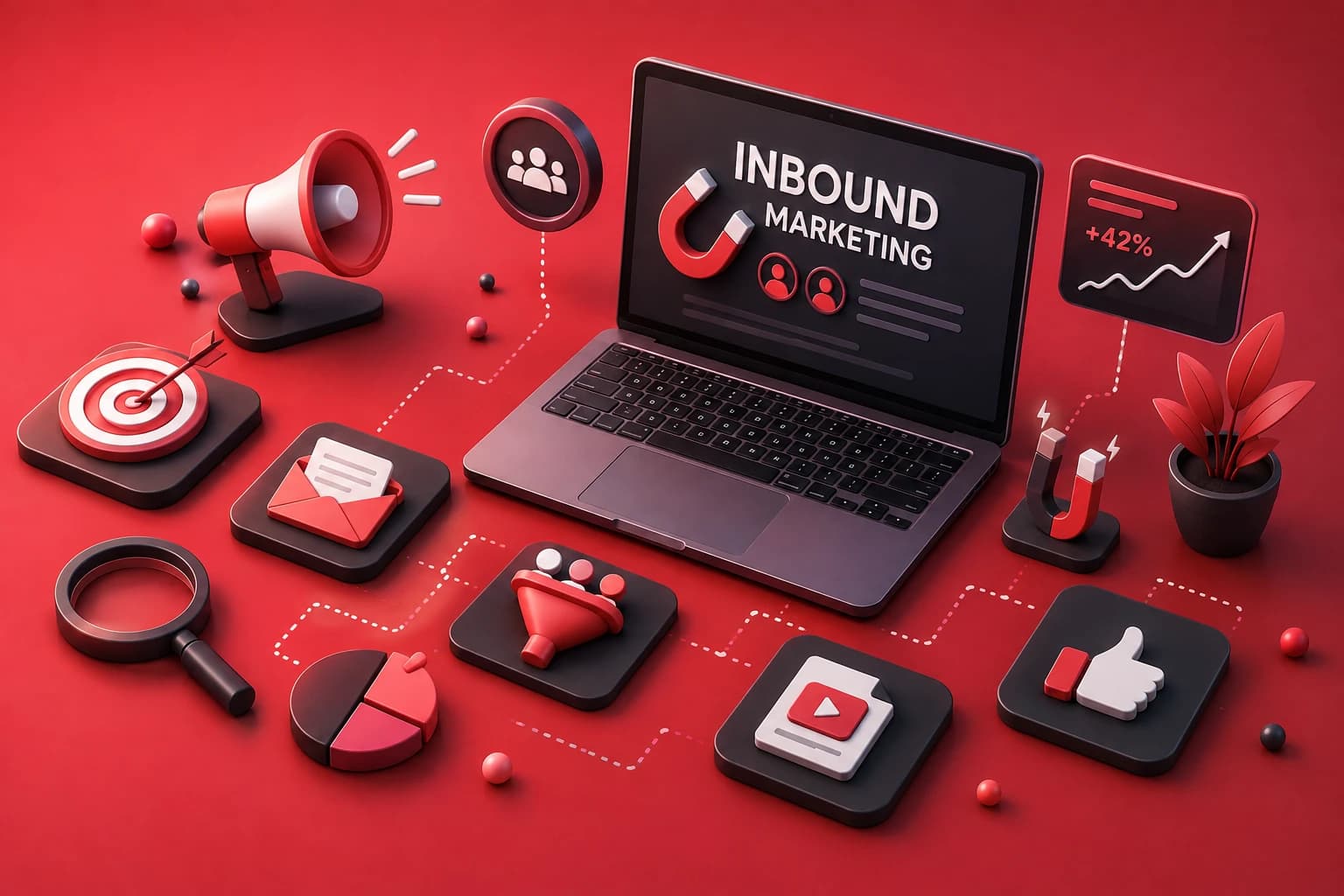
Through content marketing, search engine optimization (SEO), social media and marketing automation, a business can attract qualified visitors, convert them into leads and guide them through to conversion. This approach helps build a genuine long-term digital acquisition strategy.
02How Does Inbound Marketing Work?
Inbound marketing generally works through four main stages: attract, convert, close and delight.
1. Attract Qualified Visitors
The first step is to attract the right people to your website through an SEO strategy, content marketing, blog articles, social media and other digital channels.
The goal is not simply to generate more traffic, but to attract qualified traffic made up of people who are genuinely interested in your products or services. Choosing the right SEO keywords, optimizing pages and creating content that matches search intent therefore play an essential role.
2. Convert Visitors Into Leads
Once visitors arrive on your website, the goal is to convert them into leads. To achieve this, the business can offer a contact form, white paper, consultation, demonstration or other high-value content.
Landing pages, calls to action (CTAs) and optimized forms help improve the conversion rate and collect useful information about prospects.
3. Turn Leads Into Customers
Not every prospect is immediately ready to buy. Inbound marketing therefore allows businesses to guide them progressively through lead nurturing, email marketing and marketing automation.
The business can send personalized content based on each prospect's profile, needs and stage in the buying journey. This approach helps build trust and increases the likelihood of converting leads into customers.
4. Build Customer Loyalty
Inbound marketing does not stop after the sale. Customer retention is also an important part of the strategy.
Personalized content, advice, newsletters and ongoing support can improve the customer experience, encourage repeat purchases and turn satisfied customers into brand advocates.